


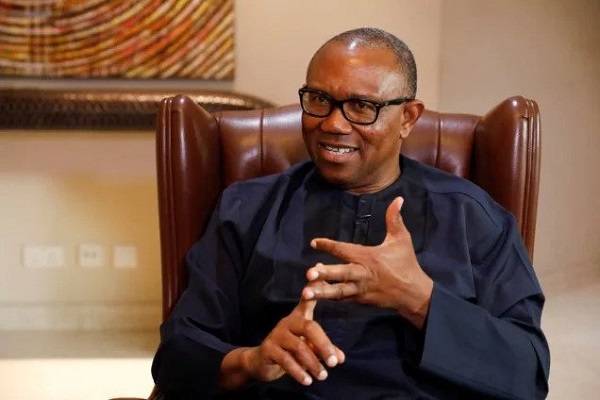
The Peter Obi diaspora remarks controversy has prompted a response from the former Anambra State governor’s media office, which says his comments to Nigerians in Europe were misinterpreted.
The Peter Obi Media Office (POMR) rejected claims that the 2027 Nigeria Democratic Congress (NDC) presidential candidate asked Nigerians living abroad to abandon their families at home.
In a statement dated October 19, 2026, and signed by spokesperson Idris Zekeri Jnr., the office accused those sharing the video of removing his remarks from their broader context.
It also alleged that the footage had been edited to promote a misleading interpretation of Obi’s message.
Peter Obi’s Media Office Explains His Remarks
According to POMR, Obi was not discouraging Nigerians abroad from supporting their parents, siblings or other relatives.
The office acknowledged the sacrifices many Nigerians in the diaspora make to support loved ones back home. These include paying school fees, covering medical bills, providing food and helping relatives facing financial difficulties.
It said the former governor’s message focused on the need to address the conditions that force many households to depend on relatives overseas for basic necessities.
The office argued that Nigerians should be able to meet their needs without constantly seeking financial assistance from family members abroad.
Obi Advocates Less Dependence on Diaspora Remittances
The statement said Nigeria should provide citizens with decent employment, affordable healthcare and quality education.
POMR maintained that a country with abundant human and natural resources should not leave millions of people dependent on relatives overseas for survival.
It also explained that Obi’s vision was to make diaspora remittances a stronger source of national development rather than a lifeline for struggling households.
The office said this approach would address the root causes of poverty instead of merely managing its effects.
Media Office Says Obi Did Not Oppose Family Support
The media office stressed that Obi was not asking Nigerians abroad to stop sending money or assistance to their families.
Instead, it said he was advocating a country where people at home could live with dignity and meet their basic needs without depending on relatives overseas.
The statement drew a distinction between supporting family members and being forced to provide for their survival because of economic hardship.
POMR concluded by reaffirming its message that “A New Nigeria is Possible and will be OK.”
The office urged the public to understand Obi’s comments within the broader argument for economic opportunity, better public services and a higher standard of living for Nigerians.