


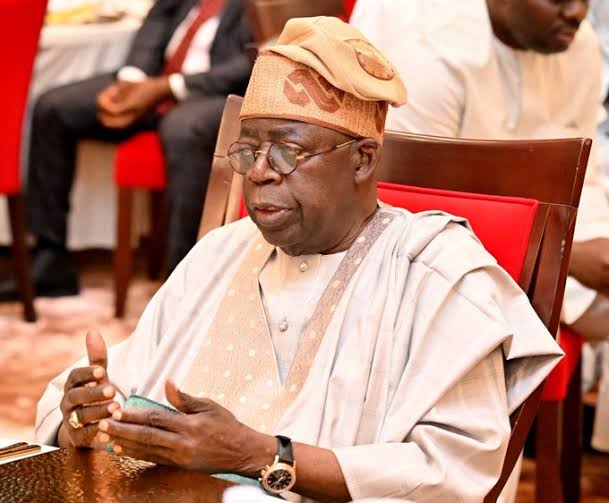
President Bola Ahmed Tinubu has asked the National Assembly to approve the processing of fresh external loans estimated at $20.5 billion and €1.045 billion as part of the Federal Government’s borrowing programme for 2026 and 2027, E247MAG reports.
The request places another major borrowing proposal before federal lawmakers and is expected to draw attention to the government’s financing priorities, the cost of servicing public debt and the long-term implications of relying on external funds to support national projects.
The dollar component of the request is valued at approximately $20.52 billion, while the euro component stands at about €1.045 billion. The proposal requires legislative consideration and should not be interpreted as evidence that the full amount has already been borrowed or disbursed.
External borrowing is commonly used by governments to finance infrastructure and other development priorities, particularly where available public revenue is insufficient to meet spending requirements. Foreign-currency loans, however, expose public finances to repayment obligations denominated in currencies that may move differently from the naira.
That exposure makes the terms of any borrowing arrangement important. Interest rates, repayment periods, grace periods, currency composition and the projects attached to the facilities all influence the eventual cost to the country. Lawmakers will therefore be expected to examine the details of the proposal and the government’s justification for seeking additional external financing.
The request also renews a wider debate about Nigeria’s debt position and the balance between borrowing for development and protecting fiscal sustainability. While loans can provide funding for projects that may improve productivity and expand economic activity, the benefits depend on whether the funds are deployed effectively and whether the resulting investments generate value over time.
For households and businesses, the debate matters because debt-service obligations compete with other demands on public revenue. Funds used to meet repayments are not available for other priorities unless government revenue grows sufficiently to accommodate both. This makes stronger revenue mobilisation, transparent project selection and disciplined spending important parts of any borrowing strategy.
The National Assembly’s scrutiny will be central to determining the next stage of the proposal. Beyond considering the headline amounts, lawmakers have a responsibility to seek clarity on the intended uses of the facilities, the expected economic returns and the repayment implications for future budgets.
As Nigeria weighs its financing needs for 2026 and 2027, the key question will be whether additional foreign borrowing can translate into measurable public value without placing unsustainable pressure on future generations of taxpayers. The outcome of the legislative review will help determine how the administration proceeds with the proposed facilities.