


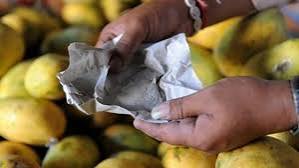
The National Agency for Food and Drug Administration and Control (NAFDAC) has warned fruit sellers and food vendors against using unauthorised chemicals to ripen fruits and selling adulterated canned products across Nigeria’s South-East.
The agency said it was strengthening inspections, public awareness campaigns and enforcement operations to protect consumers from unsafe food products.
NAFDAC officials in Anambra, Ebonyi and Enugu States disclosed the measures on Monday during interactions with correspondents of the News Agency of Nigeria (NAN).
The agency also warned that traders who ignore food safety regulations could face sanctions.
NAFDAC Threatens Action Against Defaulters in Anambra
NAFDAC Coordinator in Anambra State, Dr Louis Madubuatta, said the agency would take action against grocery sellers who artificially ripen fruits with unauthorised chemicals and vendors who distribute adulterated canned foods.
He explained that the ongoing public sensitisation campaign aims to educate traders and consumers about the dangers associated with unsafe food practices.
According to him, NAFDAC has used text messages and mass media platforms to educate the public about the health risks.
Madubuatta warned that the agency would pursue traders who continue to violate established regulations after the awareness campaign.
He also disclosed that NAFDAC was working with other government agencies to restrict the availability of calcium carbide and other chemicals commonly misused for fruit ripening.
However, retired Director of Medical Services at Nnamdi Azikiwe University, Awka, Dr Emmanuel Umenweke, cautioned against linking kidney disease directly to artificially ripened fruits or adulterated canned foods without sufficient scientific evidence.
He explained that kidney disease has several possible causes and that not every artificially ripened fruit poses a health risk.
Umenweke noted that ethylene remains a recognised fruit-ripening agent when used appropriately under approved conditions.
He identified calcium carbide as a major concern because industrial-grade products may contain harmful contaminants, including arsenic and phosphorus compounds.
According to him, exposure to improperly used calcium carbide could cause acute poisoning, nausea, vomiting, abdominal pain, diarrhoea and dizziness.
NAFDAC Strengthens Food Safety Surveillance in Ebonyi
In Ebonyi State, NAFDAC said it had intensified surveillance to prevent the use of unauthorised fruit-ripening chemicals and the circulation of adulterated canned foods.
The state coordinator, Emeka Orajiaka, said the agency was increasing market inspections, product sampling, laboratory testing and enforcement activities.
He explained that the measures would help identify unsafe products before they reach consumers.
Orajiaka added that NAFDAC was working with market unions, fruit sellers, food vendors, distributors and other stakeholders to improve compliance with food safety regulations.
He also raised concerns about the use of calcium carbide to ripen fruits and unauthorised dyes, including Sudan III and certain azo dyes, to improve the colour of palm oil.
The coordinator urged consumers to check product expiry dates, inspect packaging and buy food items from trusted sellers.
He also encouraged residents to report suspected food adulteration to the appropriate authorities.
Orajiaka said NAFDAC was collaborating with the Ebonyi State Government, environmental health officers and other agencies to strengthen food monitoring.
Meanwhile, nutritionist Mrs Nkechinyere Ekwe highlighted the nutritional benefits of fruits, noting that they provide essential nutrients that support the body’s immune system.
However, she cautioned consumers against eating fruits treated with unsafe chemicals.
A fruit seller at the International Market in Abakaliki, Jude Nwokedi, also acknowledged that some traders use calcium carbide to speed up fruit ripening.
He identified oranges, bananas and mangoes among the fruits that traders sometimes expose to artificial ripening methods.
Doctor Warns Against Poorly Preserved Canned Foods
In Enugu State, medical practitioner Dr Chikezie Obasi warned consumers about the health dangers associated with improperly processed and preserved canned foods.
He explained that poor food processing, storage and handling could create conditions for harmful microorganisms to grow and produce dangerous toxins.
Obasi specifically mentioned Clostridium botulinum, a bacterium that produces a potent toxin responsible for botulism, a serious illness.
He called for increased public awareness about proper food preservation and handling practices.
The doctor also advised consumers to avoid canned products with swollen containers, leaks, severe dents, damaged packaging or broken seals.
He urged buyers to check expiry dates and follow manufacturers’ instructions on storage and preparation.
NAFDAC’s renewed campaign across the South-East highlights the need for stronger food safety monitoring and greater consumer awareness.
The agency is urging traders to comply with approved standards while encouraging Nigerians to remain vigilant when buying fruits, canned foods and other products.