


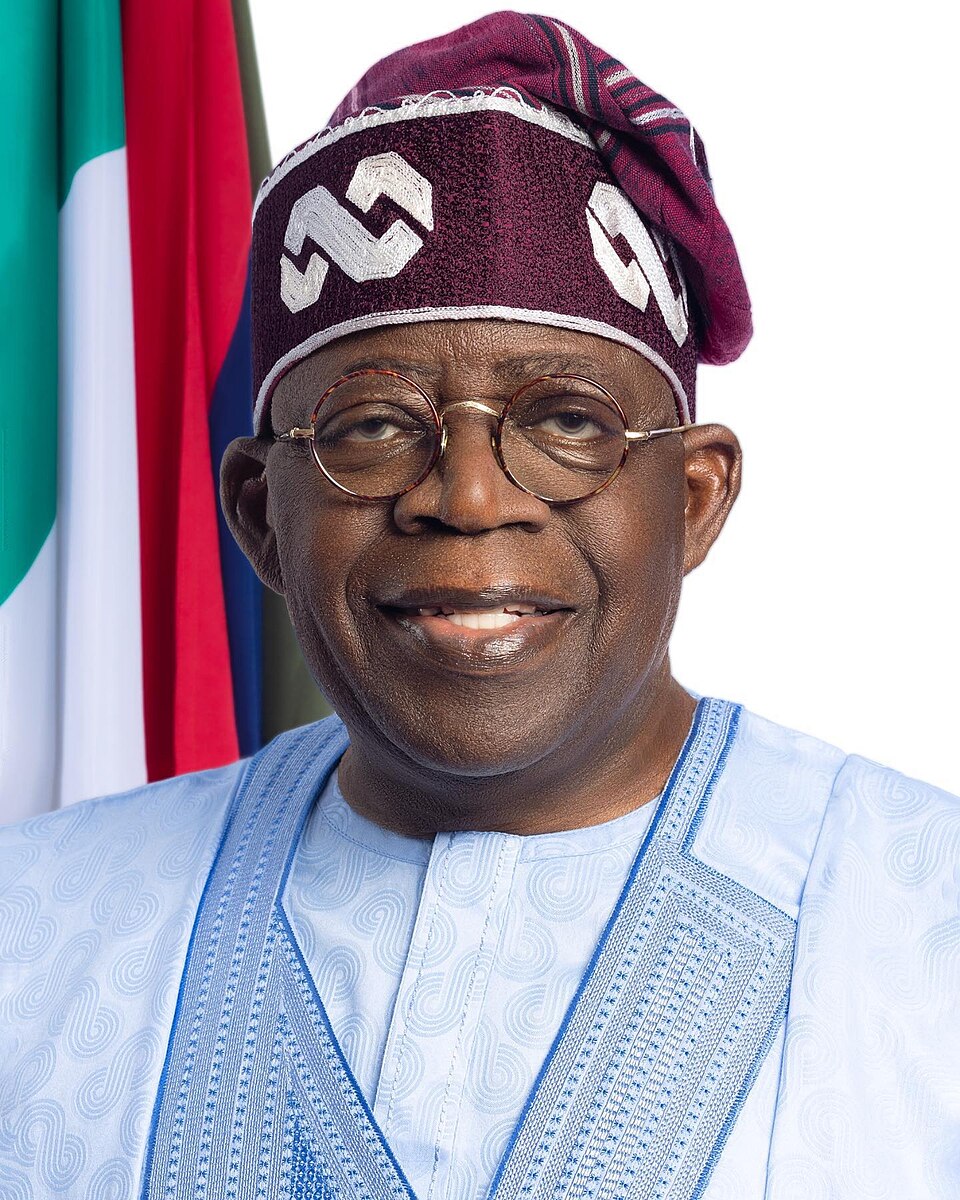
Tinubu’s 100 actions since taking office in May 2023 cover education, electricity, roads, healthcare, agriculture, business, taxation, security and other key sectors. The administration has introduced new policies, launched programmes and continued several infrastructure projects under its Renewed Hope Agenda.
The record includes initiatives at different stages of implementation. Some have moved into operation, while others remain ongoing. Their inclusion does not automatically mean they have delivered their intended results.
Here is a sector-by-sector look at 100 policies, programmes and projects associated with President Bola Ahmed Tinubu’s administration.
1. Education: Student Loans and Skills Development
The administration has introduced measures aimed at reducing financial barriers to education and improving technical skills.
- Established the Nigerian Education Loan Fund (NELFUND).
- Began distributing loans to eligible students.
- Expanded financial support options for tertiary education.
- Introduced technical and vocational education initiatives.
- Promoted training for practical and technical occupations.
- Supported programmes focused on digital skills.
- Encouraged science, technology, engineering and mathematics education.
- Backed training programmes for teachers.
- Continued funding and investment in federal universities.
- Supported renovation and improvement of selected educational facilities.
Read Also:nelfund-student-…2027-application
2. Electricity and Energy: New Power Options
Energy reforms have focused on electricity market changes, alternative vehicle fuels and additional power sources.
- Signed the Electricity Act 2023 into law.
- Created a legal framework allowing states to establish electricity markets.
- Launched the Presidential Compressed Natural Gas (CNG) Initiative.
- Encouraged motorists to switch vehicles to CNG.
- Supported plans to expand CNG refuelling infrastructure.
- Introduced assistance for vehicle conversion to alternative fuels.
- Promoted the use of electric vehicles.
- Launched the Presidential Metering Initiative.
- Supported solar energy projects.
- Encouraged investment in electricity solutions outside the national grid.
Read Also:https:cng-buses-lower-transport-fares
3. Roads and Infrastructure: Major Projects Across Nigeria
The government has continued work on several major road projects and other infrastructure developments.
- Advanced construction work on the Lagos-Calabar Coastal Highway.
- Continued development of the Sokoto-Badagry Super Highway.
- Progressed work on the Abuja-Kaduna-Zaria-Kano highway.
- Continued construction and rehabilitation work on the Enugu-Onitsha Expressway.
- Maintained work on sections of the East-West Road.
- Continued improvements to the Abuja-Lokoja highway.
- Advanced work on the Oyo-Ogbomoso Road.
- Continued development of the Bodo-Bonny Road.
- Supported road projects serving rural communities.
- Continued railway infrastructure development.
4. Healthcare: Maternal Care and Medical Services
Healthcare initiatives have included maternal support, emergency response and improvements to medical facilities.
- Introduced the Presidential Maternal Health Initiative.
- Provided free Caesarean sections for eligible women under the programme.
- Introduced free dialysis services at selected hospitals.
- Supported the development of cancer treatment centres.
- Began efforts to revitalise more than 1,000 primary healthcare centres, according to government reports.
- Supported programmes intended to widen health insurance coverage.
- Introduced the National Emergency Medical Service and Ambulance System.
- Backed the expansion of emergency medical response.
- Continued immunisation programmes.
- Supported upgrades to federal healthcare facilities.
5. Agriculture and Food Security: Support for Farmers
Agricultural policies have focused on improving farming capacity, supporting production and encouraging investment across the food supply chain.
- Introduced programmes to improve agricultural mechanisation.
- Supported plans to procure tractors for farmers.
- Backed fertiliser distribution initiatives.
- Promoted the use of improved seeds and seedlings.
- Supported irrigation development.
- Encouraged access to agricultural financing.
- Introduced measures aimed at increasing food production.
- Supported agricultural processing activities.
- Promoted the production of food within Nigeria.
- Encouraged private-sector investment in agriculture.
6. Business and Employment: Credit and Enterprise Support
The administration has pursued programmes intended to improve access to credit, support entrepreneurs and encourage business growth.
- Established the Nigerian Consumer Credit Corporation.
- Promoted access to consumer credit.
- Introduced programmes to support businesses.
- Encouraged entrepreneurship and enterprise development.
- Backed government schemes for small and medium-sized enterprises.
- Supported digital entrepreneurship.
- Encouraged the growth of technology-based businesses.
- Promoted investment in manufacturing.
- Supported efforts to increase local production.
- Introduced measures designed to attract investment into Nigeria.
7. Economic and Tax Reforms: Changes to Revenue Administration
Economic reforms have included changes to taxation, public revenue collection and efforts to expand activity beyond traditional sectors.
- Signed four major tax reform laws in June 2025.
- Established a revised framework for federal tax administration.
- Pursued changes to the collection of federal revenue.
- Introduced measures aimed at harmonising tax administration.
- Provided tax exemptions for qualifying small companies under the new framework.
- Pursued reforms intended to improve government revenue collection.
- Promoted changes aimed at strengthening public financial management.
- Encouraged investment in Nigeria’s solid minerals industry.
- Promoted the processing of minerals within the country.
- Continued efforts to diversify the economy.
8. Oil and Gas: Refining and Domestic Production
The oil and gas sector has remained part of the administration’s economic agenda, with attention to refining, gas utilisation and production.
- Promoted domestic petroleum refining.
- Continued support for the NLNG Train 7 project.
- Encouraged investment in the oil and gas industry.
- Promoted greater domestic use of natural gas.
- Supported investment in gas infrastructure.
- Continued efforts to combat crude oil theft.
- Backed measures intended to improve oil production.
- Encouraged more local processing and value addition in the petroleum industry.
9. Security: Operations and Intelligence
Security efforts have included continued military operations and cooperation among agencies dealing with terrorism, banditry and other threats.
- Continued military campaigns against terrorism.
- Maintained security operations targeting banditry.
- Strengthened coordination among security agencies.
- Supported intelligence-led operations.
- Continued operations targeting oil theft.
- Backed efforts to secure the release of kidnapped citizens.
- Promoted the use of surveillance and security technology.
10. Housing and Social Development: Expanding Access to Homes
Housing initiatives have focused on affordable accommodation, construction and urban development.
- Introduced the Renewed Hope Housing Programme.
- Promoted the development of affordable homes.
- Supported housing construction through federal programmes.
- Encouraged investment in residential property.
- Continued urban infrastructure development.
11. Governance and Public Services: Digital and Institutional Reforms
The administration has also pursued changes involving public services, international cooperation and private-sector participation.
- Promoted the digitalisation of government services.
- Continued efforts to improve passport services.
- Supported initiatives aimed at improving public service delivery.
- Maintained engagement with international partners on security matters.
- Pursued measures intended to make Nigeria more attractive to investors.
- Promoted the country’s economic and diplomatic relationships.
- Continued cooperation with international development partners.
- Pursued reforms intended to strengthen the financial system.
- Encouraged private-sector participation in infrastructure development.
- Continued implementing the Renewed Hope Agenda across multiple sectors.
What Do These 100 Actions Mean for Nigerians?
The list of Tinubu’s 100 actions provides a broad overview of the policies, programmes and projects associated with the administration since May 2023. It covers areas ranging from student financing and electricity reforms to roads, healthcare, agriculture and public services.
However, announcing a policy or starting a project is not the same as completing it. The impact of each initiative depends on implementation, funding, access, quality of delivery and measurable results.
A fuller assessment of the administration’s record would therefore examine which projects have been completed, how many Nigerians have benefited, what the programmes have cost and whether they have improved living conditions.
The list offers a starting point for reviewing the government’s activities across different sectors. It should be considered alongside independent evidence of progress, implementation challenges and outcomes.
Note: This compilation includes completed actions, introduced policies and ongoing projects. Inclusion does not mean that every project has been completed or that every policy has achieved its intended objectives.