


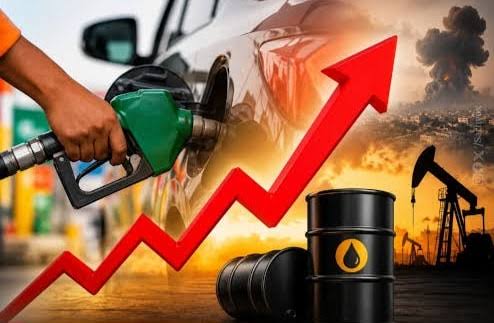
Another petrol price increase may be on the horizon in Nigeria after international crude oil prices surged to $115.18 per barrel, raising concerns about higher fuel costs for consumers.
Brent crude, the global oil benchmark, climbed by 1.8 per cent on Friday amid fears of renewed military strikes on Iran and further disruptions to energy supplies in the Middle East.
The development comes as Dangote Petroleum Refinery and other depot operators sell petrol at ₦1,350 per litre at their gantries.
Although no fresh price increase has been announced, sustained growth in crude oil prices could raise the cost of supplying petrol and put additional pressure on domestic prices.
Crude Oil Rally Raises Petrol Price Concerns
According to Oilprice.com, Brent crude reached a five-month high as escalating tensions in the Middle East heightened fears of supply disruptions.
Brent rose to $115.18 per barrel, while US West Texas Intermediate crude gained two per cent to $101.56 per barrel.
Reuters also reported that Brent touched $115.16 per barrel, its highest level since May 4, as attacks and rising tensions in the region fuelled concerns about global energy supplies.
The latest rally could further strain Nigerian households already facing high fuel costs and broader cost-of-living pressures.
US-Iran Tensions Fuel Global Oil Market Fears
Growing uncertainty over possible renewed military action involving the United States and Iran has contributed to the rise in crude prices.
US President Donald Trump said on Wednesday that Washington was not negotiating with Iran and suggested that developments could occur “fairly soon”.
Reports also indicated that US and Israeli officials were considering fresh strikes against Iran after the American midterm elections.
Meanwhile, Iran’s army chief said the country’s military was prepared for asymmetric warfare following efforts to strengthen its capabilities, according to Iranian state media agency Tasnim.
These developments have heightened fears of a wider conflict that could threaten oil production, exports and shipping routes across the region.
Attacks in Saudi Arabia Raise Supply Risks
Concerns have also spread to Saudi Arabia following reported attacks on energy infrastructure and other targets.
Reuters reported that Saudi Aramco ordered staff to evacuate its Dhahran headquarters and work remotely after attacks attributed to Iran-backed Houthi rebels.
Other reported incidents included a drone attack targeting the Shaybah oil field and an attack on King Fahd International Airport in Dammam.
The growing security concerns have raised questions about the safety of energy facilities and transportation routes across the Middle East.
Of particular concern is the Strait of Hormuz, a strategic waterway that handles a significant share of global oil shipments. Any sustained disruption could tighten supplies and increase shipping, freight and insurance costs.
Will Petrol Prices Rise Again in Nigeria?
Higher crude oil prices can increase petrol supply costs, but the effect on pump prices depends on several factors.
These include crude procurement costs, refining margins, transportation expenses, foreign exchange movements and prevailing market conditions.
Domestic refiners and fuel marketers may face higher replacement costs if international prices continue to rise. They could pass some of those additional costs on to consumers.
Dangote Petroleum Refinery last announced an increase in its petrol gantry price from ₦1,265 to ₦1,350 per litre, effective September 12.
For now, another increase remains a possibility rather than a confirmed decision. However, if global oil prices stay elevated and supply risks deepen, Nigerian motorists could face renewed pressure at the pump.