


The Federal Government says an estimated 80 million Nigerian children are exposed to lead poisoning, warning that the toxic substance poses a serious threat to children’s health and development.
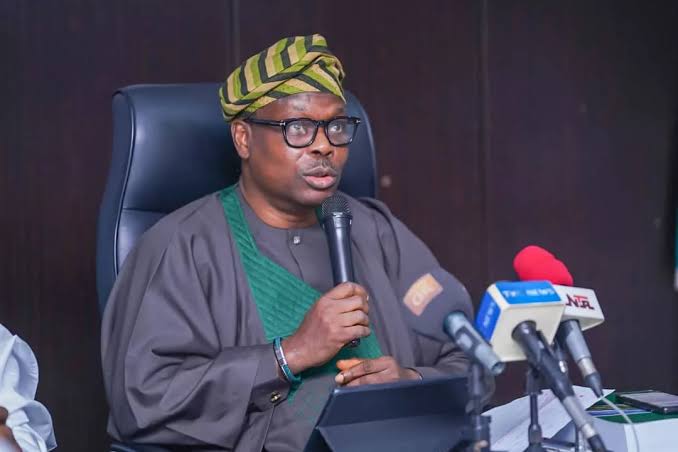
The Minister of State for Health and Social Welfare, Dr Iziaq Salako, raised the concern on Wednesday in Abuja during the 2026 International Lead Poisoning Prevention Week.
He called for stronger measures to prevent exposure and protect vulnerable groups, including children, pregnant women and women of childbearing age.
Salako warned that lead can damage multiple body systems. He also noted that exposure may occur without obvious symptoms, making early detection and prevention essential.
FG Unveils Lead Poisoning Prevention Plan
The Federal Government has inaugurated a five-year strategic plan to eliminate lead poisoning in Nigeria between 2026 and 2030.
Salako said the government had also established an Inter-Agency Working Group on Lead Poisoning Prevention and Elimination. The group will coordinate efforts among government agencies, development partners and other stakeholders.
A costed three-year national roadmap is also being developed to turn the plan into specific actions with clear timelines.
The minister cited experiences in Lagos, Ogun, Sokoto and Zamfara as examples of the different sources of lead exposure across the country.
He highlighted concerns about battery recycling in Ogijo, Ogun State, and environmental investigations in Lagos. He said these cases showed the need for stronger environmental and workplace safety controls.
“We cannot treat our way out of lead poisoning; we must prevent exposure wherever possible,” Salako said.
Government Targets Major Sources of Lead Exposure
The plan will focus on monitoring soil, dust, water, industrial emissions and consumer products. It will also strengthen regulation, enforcement and laboratory testing.
Salako urged states, particularly Lagos, Ogun, Zamfara and Sokoto, to develop their own lead poisoning prevention plans.
He also called for community participation in identifying and addressing exposure risks.
The minister warned against several potential sources of lead, including:
-
Dust from lead-based paint
-
Contaminated soil and unsafe water pipes
-
Unsafe practices in workplaces and recycling facilities
-
Lead-glazed pottery and some toys
-
Certain cosmetics, including traditional eyeliners known as tiro
-
Some traditional remedies
He stressed that preventing exposure requires action from government agencies, industries, communities and households.
How Families Can Reduce Lead Exposure
The government also outlined practical steps families can take to reduce the risk of lead exposure.
These include washing hands regularly, cleaning children’s toys and wet-wiping floors and play areas instead of dry sweeping.
Salako advised people handling lead-containing materials during construction, painting or recycling to wear appropriate protective clothing.
He also urged families to keep children and pregnant women away from areas where lead may be released, including battery recycling, repair and painting sites.
Eating foods rich in calcium, iron and vitamin C may also help reduce the body’s absorption of lead. However, these measures cannot replace the need to eliminate exposure at its source.
UNICEF Warns There Is No Safe Lead Exposure Level for Children
Dr Sarah Ango, a UNICEF consultant, described lead poisoning as a preventable but often hidden threat to children’s health and development.
She said UNICEF was committed to ending childhood lead poisoning by 2040. The organisation is supporting government efforts to improve surveillance, laboratory capacity, public awareness and policy implementation.
Ango stressed that there is no safe level of lead exposure for children.
She said the 2026 campaign theme, “From Detection to Prevention,” should encourage stakeholders to move beyond identifying cases and focus on eliminating the sources of exposure.
Mrs Okeoma Obasi, Principal Adviser at Resolve to Save Lives, also emphasised prevention as the most effective and cost-efficient way to protect children.
The International Lead Poisoning Prevention Week runs from October 18 to 24. It aims to raise awareness and encourage action to eliminate lead exposure
Read Also: Ogun Gas Emission: Students Hospitalised as Schools Shut Amid Panic