


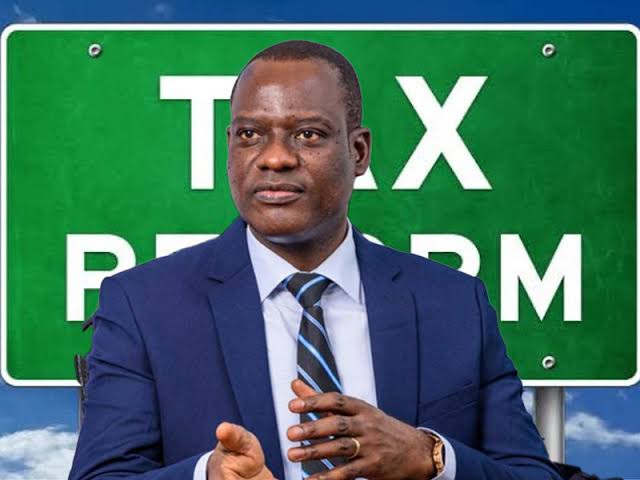
The Federal Government has reduced the interest charged on late tax payments, with the new rates set to take effect from October 1, 2026.
The change follows the issuance of the Nigeria Tax Administration (Interest on Late Payment of Tax) Order, 2026, by Finance Minister and Coordinating Minister of the Economy, Taiwo Oyedele.
The order was made under Section 65 of the Nigeria Tax Administration Act, 2025. It introduces a new system for calculating interest when taxpayers fail to pay their tax liabilities on time.
New formula for late tax payments
Under the new system, tax liabilities payable in naira will attract interest based on the Central Bank of Nigeria’s Monetary Policy Rate plus one percentage point.
However, the applicable rate cannot fall below the yield on 364-day Treasury Bills.
The new formula reduces the previous five-percentage-point margin. The government said the change will link the cost of delayed tax payments more closely to market conditions.
For taxes payable in foreign currencies, the interest rate will be based on the Secured Overnight Financing Rate, known as SOFR, plus six percentage points.
If SOFR is discontinued, its official successor benchmark will apply.
Monthly interest rates
The new framework will operate with one applicable rate for each calendar month.
The Nigeria Revenue Service will publish the rate on its website by the third business day of every month. This will allow taxpayers to know the applicable charge before making payments.
Interest will be calculated daily using simple interest. The calculation will start from the date the tax becomes due and continue until the taxpayer settles the liability.
The rules cover self-assessment taxpayers and tax assessments handled by federal, state and Federal Capital Territory revenue authorities.
Why FG changed the system
Oyedele said the government wants the cost of delayed tax payments to reflect prevailing borrowing conditions.
He explained that late tax payments can leave the government with funding gaps that may require borrowing.
The minister also said the monthly publication of rates would give taxpayers more certainty and make the system easier to understand.
According to him, clear rules can support better tax compliance and create a more predictable tax system.
10% late-payment penalty remains
The reduction in late tax interest does not remove the separate penalty for failing to pay taxes on time.
The existing 10 per cent late-payment penalty under Section 65 of the Nigeria Tax Administration Act remains in place.
Tax authorities can also waive interest or penalties where taxpayers establish sufficient grounds, in line with Section 66 of the Act.
This means taxpayers who miss payment deadlines could still face both the applicable interest and the statutory penalty.
How existing tax debts will be treated
The new rates will apply to interest arising from October 1, 2026. This includes interest on tax liabilities that became due before the new regime started.
However, interest that accrued before October 1 will remain subject to the rules that applied when it arose, where those rules specifically cover the liability.
The new order also replaces the 2017 notice on interest for unpaid taxes and other earlier notices on the same subject.
FG urges taxpayers to pay on time
The Finance Ministry advised taxpayers to file their returns and settle their tax obligations within the required deadlines.
Those with outstanding liabilities were encouraged to pay promptly or contact the relevant tax authority to resolve their obligations.
The Nigeria Revenue Service is expected to begin publishing the monthly late tax interest rates under the new framework from October 2026.