


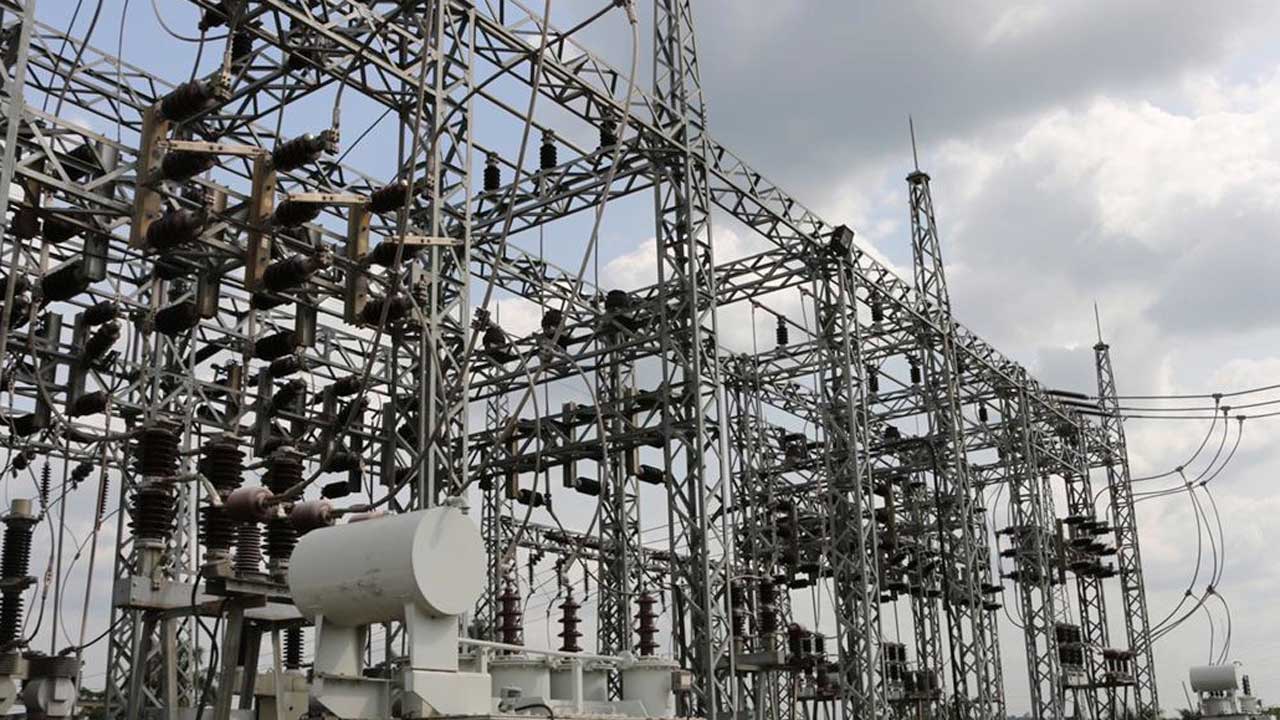
Electricity blackouts continue to affect Lagos, Abuja and other parts of Nigeria as the Nigerian National Petroleum Company Limited (NNPC) and the Nigerian Independent System Operator (NISO) disagree over the causes of the worsening power supply crisis.
The prolonged outages have frustrated electricity consumers, particularly as rising temperatures and increasing fuel prices make alternative power sources more expensive.
The development comes despite assurances from the Minister of Power, Olasunkanmi Tegbe, that electricity supply would begin improving within 48 to 72 hours.
Tegbe gave the assurance last Friday, saying the return of the first generating units would gradually improve power supply across affected areas.
However, the promised improvement has yet to provide relief to many consumers.
The NNPC subsequently challenged claims linking the electricity crisis to severe gas shortages, creating fresh disagreements among key institutions in the power sector.
Earlier, NISO attributed the decline in electricity generation to limited gas supplies to thermal power plants and reduced water levels at hydroelectric facilities.
The operator explained that inadequate gas availability had prevented some thermal stations from operating at their available capacities.
It also identified reduced water inflows into reservoirs as another factor affecting electricity generation from hydropower plants.
The Power Minister also cited planned maintenance at Egbin Power Station, which contributes approximately 16 per cent of electricity supplied to the national grid.
He further identified gas supply constraints and alleged sabotage of transmission lines as factors contributing to the crisis.
According to him, grid operators introduced load shedding in some areas to manage the reduced electricity available for distribution.
He explained that damage to important transmission lines had also limited the use of alternative routes to move electricity across the country.
NNPC Rejects Claims of Gas Transportation Problems
The NNPC has disputed the explanation linking the electricity shortfall to gas transportation challenges.
Through its Chief Corporate Communications Officer, Andy Odeh, the company maintained that its gas infrastructure network remained available to support deliveries to power generation companies.
Odeh said operational records from the NNPC Gas Infrastructure Company Limited (NGIC) showed no transportation-related restrictions capable of explaining the current decline in electricity generation.
He also disclosed that gas production had increased by approximately 10 per cent year-to-date in 2026.
According to him, Nigeria’s gas supply availability is not the problem, stressing that gas production, transportation, commercial arrangements and actual purchases must be treated as separate issues.
Meanwhile, the dispute has added to existing tensions within the electricity value chain, with some distribution companies introducing power rationing to manage the limited supply.
The Transmission Company of Nigeria (TCN) also rejected claims by Ikeja Electric that instability on the national grid was responsible for the outages.
TCN maintained that its responsibility was to transmit the electricity generated and supplied to the grid.
The company argued that insufficient generation, rather than transmission failure, was responsible for the current electricity shortfall.
Experts Blame Structural Problems for Persistent Blackouts
Energy observers have described the disagreement as evidence of deeper problems within Nigeria’s electricity industry.
Energy expert Rasheed Adeleke criticised the repeated disputes over gas availability, arguing that Nigeria should not experience persistent shortages given its substantial natural gas reserves.
He said the continued exchange of blame among industry institutions was worsening the country’s electricity challenges.
Adeleke maintained that effective enforcement of existing regulations and international best practices could help prevent recurring disputes.
He described the situation as disappointing, warning that the failure of relevant institutions to address their responsibilities had contributed to another period of unreliable electricity supply.
Meanwhile, Senior Technical Adviser on Upstream and Gas, Gbite Adeniji, has identified financial challenges as another major obstacle affecting the electricity sector.
Speaking at a recent Harvard Business School Association of Nigeria energy conference in Lagos, Adeniji argued that resolving the industry’s liquidity crisis requires the government to settle outstanding debts and provide credible financial support to the Nigerian Bulk Electricity Trading Company (NBET).
He explained that gas suppliers’ inability to receive payments for deliveries to power plants was affecting the entire electricity value chain.
According to him, improving payment arrangements would encourage suppliers to increase gas deliveries and support higher electricity generation.
He questioned whether power generation companies and other buyers had sufficient financial capacity to pay for the gas they purchase.
Also speaking on the crisis, Chief Executive Officer of the Association of Power Generation Companies, Dr Joy Ogaji, linked the gas supply challenges to mounting debts in the power sector.
Ogaji disclosed that the Federal Government owes generation companies approximately N6.8 trillion, while outstanding payments to gas suppliers stand at about N3.3 trillion.
The figures highlight the financial difficulties confronting the industry as consumers continue to struggle with unreliable electricity supply.