


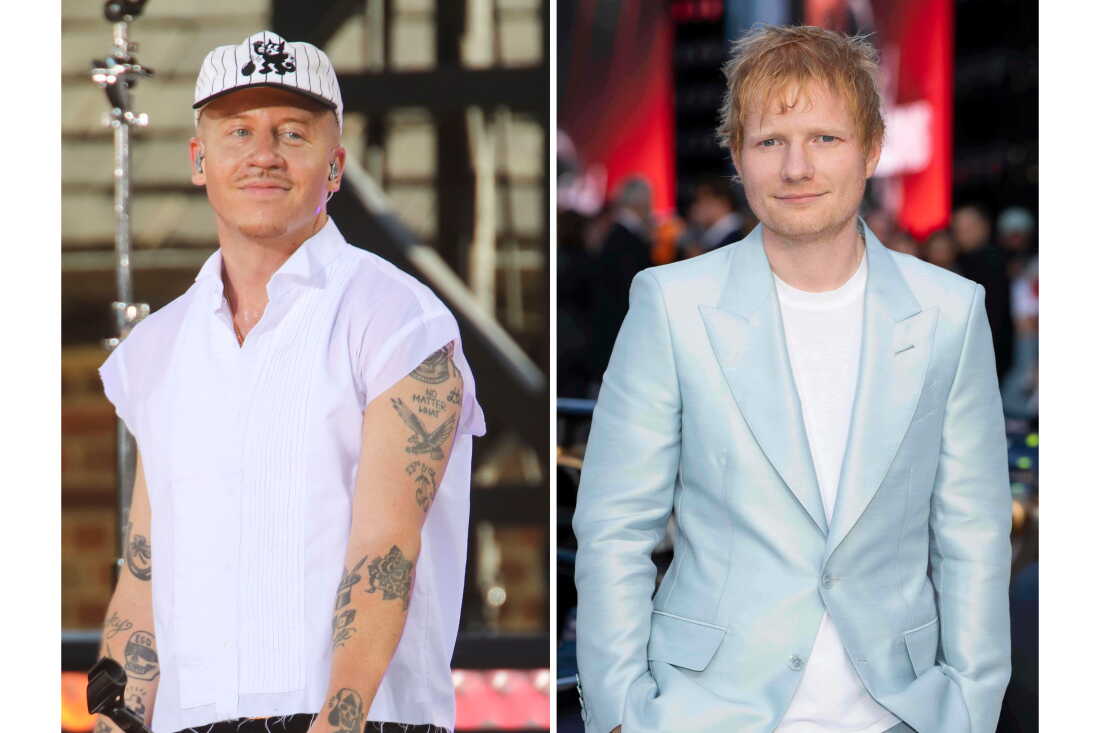
Several artists scheduled to support Ed Sheeran on his US tour have announced their withdrawal following the removal of rapper Macklemore from the lineup over his public comments about the Israel-Gaza conflict.
The latest departures include Finneas, Irish singer-songwriter Aaron Rowe, Danish band Lukas Graham and Irish folk group Beoga, all of whom were involved in the Ed Sheeran’s US tour programme.
Finneas, who is the brother of singer Billie Eilish, said artists should be able to use their platforms to speak about people they believe are being oppressed.
Lukas Graham also criticised the circumstances surrounding Macklemore’s removal, saying musicians should be able to discuss war, civilian deaths and the plight of children affected by conflict.
Rowe, who had performed on the Australian leg of Sheeran’s tour before joining the US shows in June, said his decision to leave was not made lightly.
He acknowledged Sheeran’s personal importance to his career, describing the singer as a friend who had significantly changed his life.
Beoga also withdraws
Beoga, the Irish folk group that had been performing with Sheeran during his shows, said it could not continue participating in venues where artists advocating for a free Palestine were, in its view, being silenced.
Their decision came shortly after Sheeran explained his position on the controversy and said Macklemore’s removal was made by the tour promoter rather than by him.
In a statement posted on Instagram, Sheeran said he had spent much of the week speaking with venues in an attempt to resolve the situation.
He said he did not want to abandon fans who had made plans to attend his concerts or the touring workers and musicians who depend on the shows for their livelihoods.
Sheeran also said he was deeply concerned about the suffering caused by the Israel-Palestine conflict but preferred not to use his professional platform for political debate.
The singer explained that his concerts attract people from different backgrounds, including young fans, and said he wanted his shows to remain spaces where audiences could come together.
How the controversy started
The dispute began on September 4, when Macklemore performed at Sheeran’s concert at MetLife Stadium in New Jersey.
During his performance, Macklemore voiced support for Palestine and performed his song Hind’s Hall, which addresses pro-Palestinian protests at Columbia University and criticises Israel’s military campaign in Gaza.
Images depicting destruction in Gaza were displayed during the performance.
The appearance triggered criticism from some groups and individuals. The Israeli American Council launched a petition calling for Macklemore to be removed from the tour, while StopAntisemitism accused the rapper of using the concert to promote what it described as propaganda.
Macklemore returned to the stage the following night and addressed Jewish members of the audience. He argued that criticism of Israel and opposition to alleged abuses should not be interpreted as criticism of Jewish people.
Israel rejects allegations that it is committing genocide and maintains that its military operations are conducted in self-defence and in accordance with international law.
The conflict followed the Hamas-led attack on Israel on October 7, 2023, which killed about 1,200 people and resulted in 251 hostages being taken, according to the figures cited in the report.
Gaza’s Hamas-run health ministry has reported more than 73,780 deaths during Israel’s subsequent military campaign. The figures are regarded as reliable by the United Nations, although the ministry operates under Hamas.
Read Also:https://e247mag.com/dolly-parton-name-nashville-airport/
Macklemore responds to removal
After the controversy continued, Macklemore announced that he had been removed from the Ed Sheeran’s US tour lineup.
The rapper, whose real name is Benjamin Haggerty, said Robert Kraft, the billionaire owner of Gillette Stadium in Massachusetts, had been involved in the decision.
Kraft confirmed that Macklemore had been barred from performing at his venue, saying it would not provide a platform for what he described as hate speech.
Kraft also accused Macklemore of having a broader history of antisemitic rhetoric. At the same time, he said he agreed that too many lives had been lost in the conflict but argued that discussions should also acknowledge Hamas’ actions.
Tour promoter Messina Touring Group told Rolling Stone that several venues had indicated they would not permit Macklemore to perform, warning that this could have resulted in the cancellation of the wider tour and affected hundreds of thousands of fans.
The withdrawals by other support acts followed those developments.
Lukas Graham argued that financial power should not determine who is allowed to speak publicly about suffering and conflict.
Macklemore, meanwhile, said he understood the difficult position Sheeran had been placed in but criticised the singer for maintaining a public distance from the political debate.
He argued that speaking out could carry professional consequences, including lost business opportunities and relationships.
Despite completing only two performances on the tour, Macklemore said he considered his participation meaningful if it helped keep attention focused on Palestine.
Sheeran’s next concert
The Ed Sheeran’s US tour is scheduled to continue with his next performance at Lincoln Financial Field in Philadelphia on Saturday.
However, the tour’s website had yet to reflect all the latest changes, with Lukas Graham and Aaron Rowe still listed as special guests at the time of the report.
UK Culture Secretary Lisa Nandy said artists have the right to express political views but acknowledged that Sheeran had been placed in a difficult position between his supporting acts and the tour promoters.
She also said that while nobody should promote antisemitism, individuals and promoters were entitled to their own views about the relationship between music and politics.