


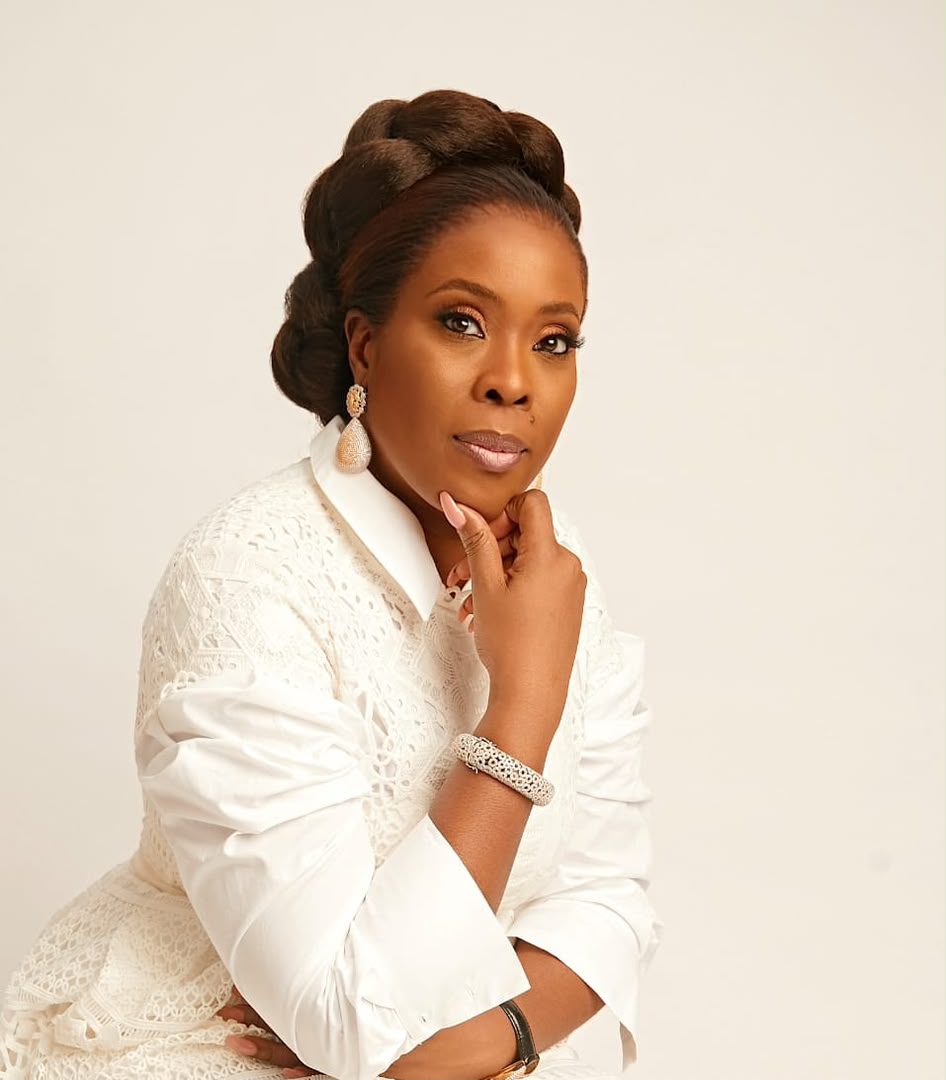
Lagos State can achieve its ambition of becoming a $1 trillion economy by 2052 through stronger collaboration between the government and private businesses, the Commissioner for Commerce, Cooperatives, Trade and Investment, Folashade Kaosarat Bada Ambrose-Medebem, has said.
Ambrose-Medebem made the statement while delivering the keynote address at the 2026 Julius Berger Luminary Soirée, held on Wednesday, September 9, at the Alliance Française de Lagos, Mike Adenuga Centre, Ikoyi.
The event was themed, “The Lagos Proposition: Unlocking Value in a City in Transformation.”
The commissioner explained that the Lagos State Development Plan 2052 contains 447 initiatives covering 21 strategic sectors. She said the plan is built around four major pillars: a strong economy, a people-focused city, modern infrastructure and effective governance.
According to her, the plan seeks to expand the state’s economy to between $800 billion and $1 trillion by 2052. She noted that achieving the target would require policy stability, consistent implementation and increased participation from the private sector.
“Lagos intends to grow its economy to between $800 billion and $1 trillion by 2052. Achieving this will require a new model of partnership. The era of government merely directing the private sector has passed; what must replace it is genuine co-creation,” she said.
Ambrose-Medebem disclosed that manufacturing accounted for 9.57 per cent of Lagos’ real Gross Domestic Product during the first quarter of 2026. She said the figure highlighted the importance of industrial growth, infrastructure and enterprise development to the state’s economic future.
She also stated that Lagos recorded an estimated GDP of $259.75 billion on a purchasing power parity basis in 2023. According to her, this placed Lagos among Africa’s leading city economies and represented more than 30 per cent of Nigeria’s economic output.
The commissioner said the administration of Governor Babajide Sanwo-Olu was focused on moving beyond attracting investors to developing bankable projects and delivering measurable economic results.
She pointed to the Invest Lagos initiative as a major platform through which the state connects international investors with structured opportunities across key sectors. The investment pipeline, she said, is valued at more than ₦4 trillion.
Ambrose-Medebem identified purposeful leadership, reliable policies, strategic infrastructure and productive public-private partnerships as the major foundations of Lagos’ economic strategy.
She praised Julius Berger for its engineering expertise and experience in delivering major infrastructure projects, describing the company as a valuable partner in the state’s development ambitions.
The commissioner further revealed that Lagos attracted more than ₦50 billion in foreign and domestic direct investment within one year. The investments included ₦38 billion from Twinings Ovaltine Nigeria Limited for the establishment of its first production facility in Africa.
Read Also:https://e247mag.com/reno-omokri-claim-cost-of-living/
She said the investments reflected continued business confidence in Lagos as a commercial centre, an investment destination and a gateway to the African market.
Ambrose-Medebem also commended the continuity of development policies and public-private cooperation across successive administrations in the state.
She cited the Lekki Deep Sea Port and Lagos Free Zone as examples of projects made possible through government support and private-sector capital, expertise and execution.
The commissioner urged investors, developers and infrastructure firms to partner with the state in transforming Lagos’ growing population and economic scale into viable opportunities that can create industries, jobs, infrastructure and shared prosperity.
She stressed that government alone could not deliver a $1 trillion economy, adding that private capital, innovation, technical knowledge and long-term commitment would be essential to achieving the target.