


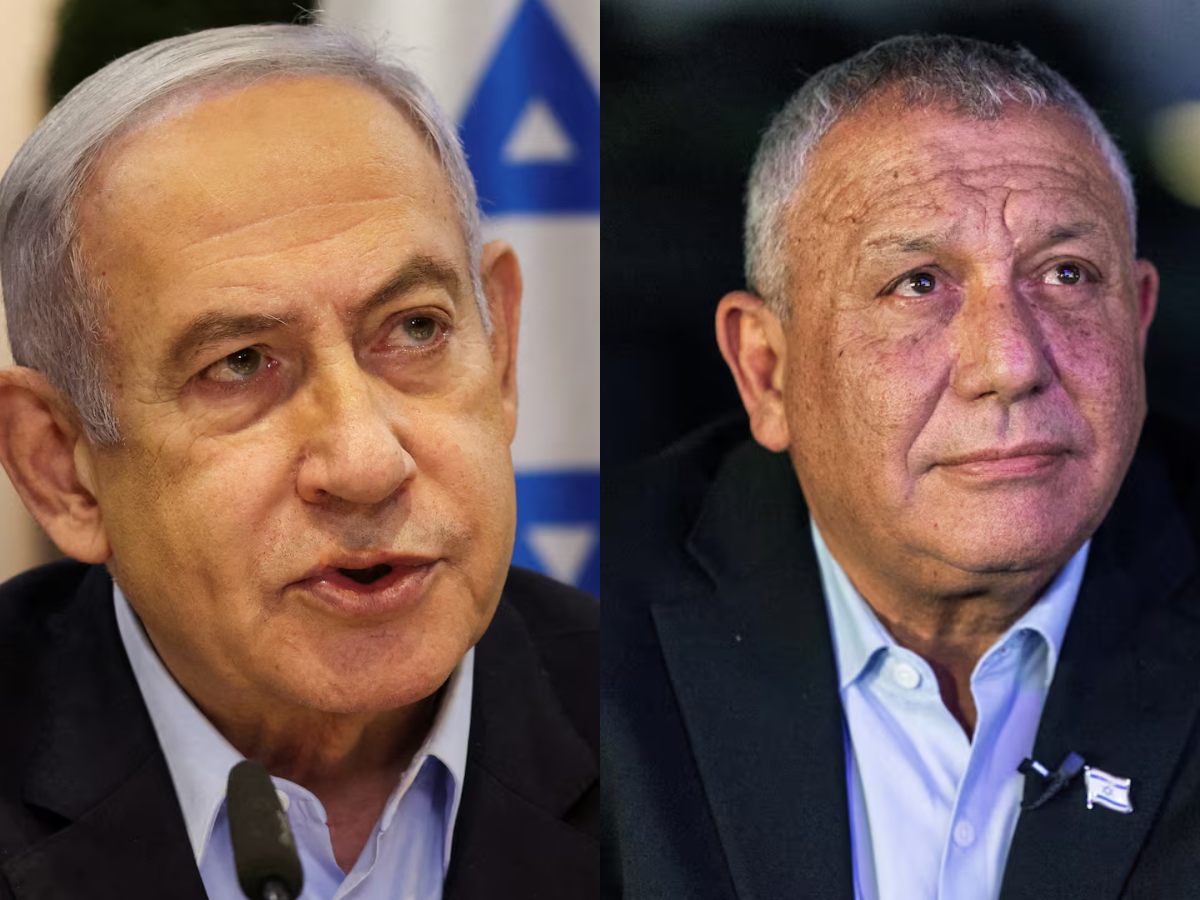
Israel election results will stand despite allegations of foreign interference raised by Prime Minister Benjamin Netanyahu and his Likud party, senior officials have declared.
The position weakens Netanyahu’s attempt to cast doubt on last week’s parliamentary election, which left his political bloc short of a majority in the 120-member Knesset.
The head of Israel’s Central Elections Committee, Supreme Court Justice Noam Sohlberg, made the position clear on Sunday alongside Attorney General Gali Baharav-Miara and Shin Bet chief David Zini.
Sohlberg said even if suspicions of foreign interference were confirmed, they would not invalidate the overall election results.
The development comes after Likud alleged, without presenting public evidence, that Arab-led parties had “stolen” the election.
The party also pointed to arrests linked to suspected attempts to bribe voters, while raising questions about possible foreign involvement.
Netanyahu’s Bloc Loses Parliamentary Majority
The election results dealt a setback to Netanyahu’s political camp.
His bloc secured 53 seats in the Knesset, down from the 68 seats held by its allies in the outgoing parliament.
The opposition bloc led by Gadi Eisenkot won 48 seats, while Arab-led parties secured a combined 19 seats.
Although the opposition and Arab parties have enough seats to form a government together, they must agree on a coalition arrangement to reach the 61-seat majority required to govern.
The results have triggered intense political negotiations and demonstrations over whether Arab-led parties should participate in the next government.
Netanyahu has described any decision by Eisenkot to form an alliance with Arab parties as treasonous.
His comments have drawn criticism from opponents, who accuse him of trying to undermine the election outcome and discredit Arab political participation.
Police Investigate Alleged Voter Bribery
Likud has cited several arrests as part of its claims about possible election misconduct.
Three political activists were arrested before voting began on October 27 after police allegedly found them with envelopes containing cash suspected to be intended for voter bribery.
Police arrested four additional suspects two days later. Investigators reportedly linked the suspects to the Islamist Ra’am party, which denied involvement.
A court on Sunday rejected or limited police requests for further restrictions on the three initial suspects.
Police subsequently said one suspect had been released under unspecified conditions, another had been placed under house arrest for eight days, while the detention of the third was extended by two days.
Ra’am leader Mansour Abbas condemned the arrests, describing them as undemocratic and an attempt to influence the election outcome.
The party, which won eight Knesset seats, has denied involvement in the alleged bribery activities.
Election Officials Say Results Will Stand
The Central Elections Committee has maintained that allegations of foreign interference will not overturn the election.
Sohlberg said the authorities’ position remained that even if the suspicions were substantiated, they would not undermine the integrity of the electoral process or the overall results.
The Shin Bet has opened an investigation into suspected foreign interference at the request of the elections committee.
However, the investigation does not amount to proof that the election was stolen or that any political party was responsible for unlawful activity.
Likud criticised Sohlberg’s position, questioning why the committee acknowledged serious allegations while maintaining that they would not affect the final outcome.
Eisenkot Accuses Netanyahu of Undermining Election
Eisenkot accused Netanyahu of running an organised campaign to discredit the election results.
He also criticised suggestions that Qatar had supported opposition parties in an effort to remove Netanyahu from office.
Qatar has denied financing activities intended to influence the election.
The allegations have added to political tensions surrounding the Gulf country, which many Israelis associate with support for Hamas.
Netanyahu’s opponents have accused him of using the claims to encourage hostility towards Arab-led parties and Arab citizens, who make up about 20 per cent of Israel’s population.
Yousef Jabareen, leader of the Joint List of Arab parties, which secured 11 seats, also criticised Likud’s election-day messaging.
He said much of the party’s content targeted Arab voters and accused Netanyahu of using racial rhetoric to discredit their participation.
Coalition Talks Could Lead to Another Election
With no bloc securing the 61 seats required for a parliamentary majority, Israel faces weeks of coalition negotiations.
The election results are due for official certification, after which President Isaac Herzog is expected to consult the parties elected to parliament.
Following the consultations, Herzog will select the candidate he believes has the strongest chance of forming a government. Netanyahu and Eisenkot are the leading contenders.
If the first candidate fails to secure a coalition, the president may give another politician an opportunity.
A failure to reach an agreement could force Israel into another general election early next year.
Meanwhile, protests have continued over the possibility of a government involving Arab-led parties.
Supporters of Netanyahu demonstrated outside Eisenkot’s residence on Sunday, opposing the formation of a Jewish-Arab coalition.
Other rallies have called for cooperation between Jewish and Arab political groups.
The unfolding negotiations will determine whether the opposition can unite with Arab parties to replace Netanyahu’s government or whether Israel will face another election.