


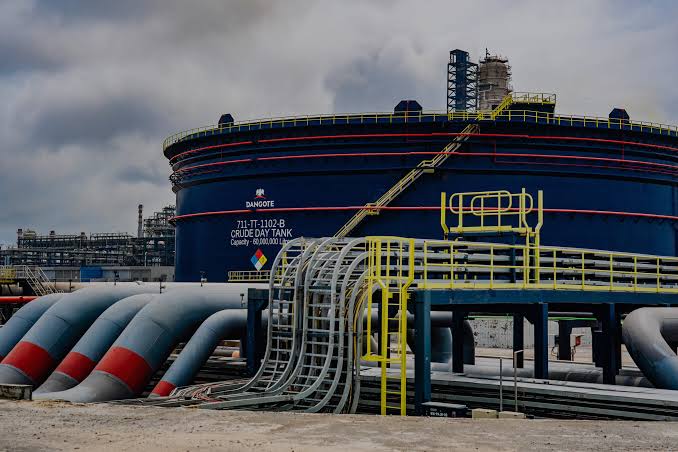
The Dangote refinery IPO is set to open for public subscription on Monday, September 14, 2026, in what could become one of the biggest transactions in Nigeria’s capital market.
The offer by Dangote Petroleum Refinery and Petrochemicals FZE (DPRP) follows approval from the Securities and Exchange Commission (SEC) for the company to offer 4.1 billion ordinary shares at N525 per share.
The offer price puts the initial size of the IPO at approximately N2.15 trillion.
Vetiva leads Dangote refinery IPO
Vetiva Advisory Services Limited has been appointed as the Lead Adviser to the transaction and is coordinating the offer with DPRP, other professional advisers and relevant market institutions.
The public offer is expected to be available through physical and online channels, with the final terms and subscription timetable contained in the SEC-registered prospectus.
An application has also been submitted to the Nigerian Exchange Limited (NGX) for the listing and admission of DPRP’s issued ordinary share capital to the exchange’s Daily Official List.
The IPO is designed to widen ownership of the refinery while providing additional equity capital for its expansion and long-term growth plans.
Dangote Refinery plans major expansion
The refinery currently has a refining capacity of about 700,000 barrels per day and is undergoing an ambitious expansion programme.
According to Aliko Dangote, the expansion is expected to increase the facility’s capacity to about 1.4 million barrels per day over the next three years.
If completed as planned, the project would position the Lagos-based refinery ahead of India’s Jamnagar facility in terms of capacity.
Dangote has also projected that the expanded refinery could generate annual revenue exceeding $55 billion.
Read Also:https://e247mag.com/public-financial-management-nigeria-programme/
Petrochemical production to increase
The expansion is not limited to crude refining.
The company plans to significantly increase its petrochemical output, including polypropylene production, while also expanding production of linear alkylbenzene and base oils.
Dangote said the expanded facility would move from producing Euro V to Euro VI fuel standards and increase its power generation capacity to 1,000 megawatts.
He also said more than 85 per cent of the refinery’s workforce would be Nigerians, with continued investment in skills development and technology transfer.
Dangote says Tinubu reforms support expansion
Dangote said the expansion was being driven partly by what he described as an improved policy environment under President Bola Tinubu.
He pointed to government initiatives including Nigeria’s First, the Naira-for-Crude arrangement and the One-Stop Shop policy as measures he believes have encouraged investment in the country’s industrial sector.
According to the businessman, the project reflects confidence in Nigeria’s ability to become a major supplier of refined petroleum products to African markets.
He also commended the Federal Government for intervening during recent disruptions linked to union activities and alleged sabotage attempts at the refinery.
IPO to support long-term expansion
The refinery’s expansion is expected to be funded through a combination of internally generated cash flow, the public listing and strategic investors.
Dangote said the company plans to list a significant portion of its shares on the Nigerian Exchange, with the Nigerian market remaining the primary destination for the company’s listing.
He described the planned listing as an opportunity for Nigerians to participate in the ownership and future value of the refinery.
The businessman said the company’s objective goes beyond refining crude oil, arguing that the expanded operation could create jobs, support small and medium-sized businesses and strengthen Nigeria’s industrial base.
Dangote Refinery targets wider economic impact
The Dangote refinery IPO comes as the company seeks to expand one of Africa’s most significant industrial projects.
Dangote said the refinery’s expansion could strengthen Nigeria’s energy security, reduce dependence on imported refined petroleum products and limit foreign exchange outflows associated with fuel imports.
He acknowledged that the initial investment has not yet been fully recovered but maintained that refining is a long-term business requiring continued investment.
With the public offer now scheduled to open, attention will turn to investor response and the eventual listing of the refinery’s shares on the Nigerian Exchange.
If successfully executed, the transaction could significantly deepen Nigeria’s capital market while giving domestic investors an opportunity to participate in the future growth of one of the country’s largest industrial assets.