


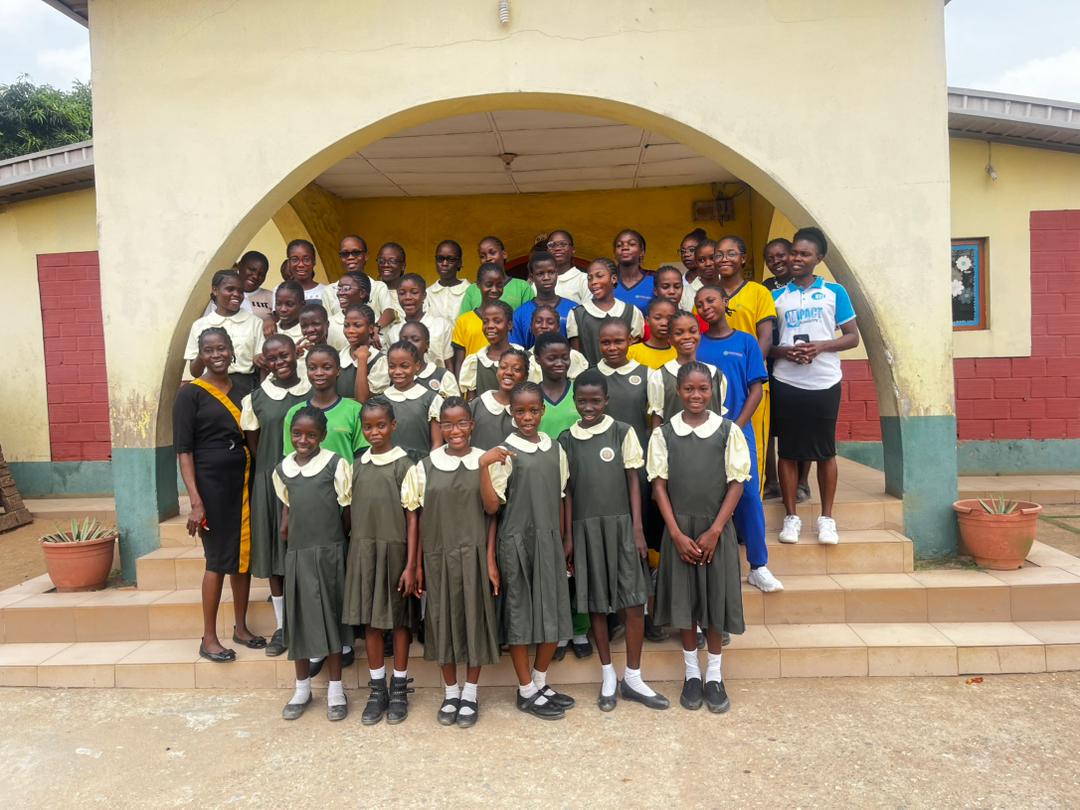
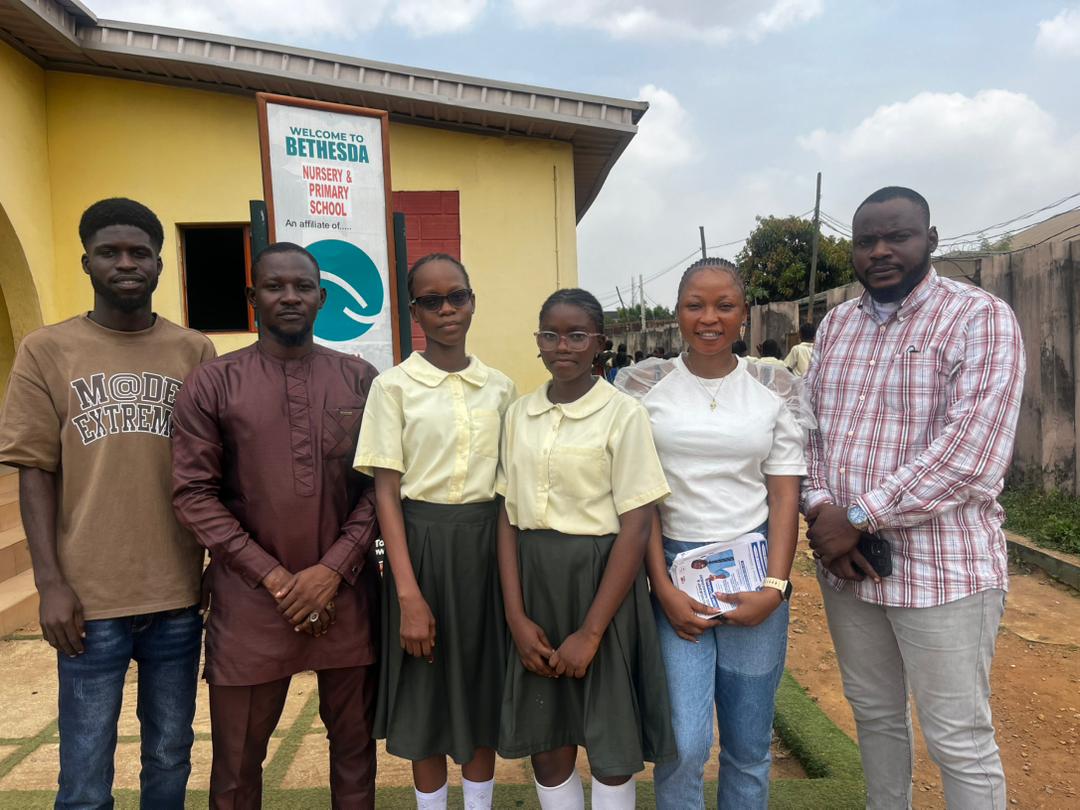
Transformation College of Business and Technology carried out a Corporate Social Responsibility outreach to Bethesda Secondary School in commemoration of the International Day of Women and Girls in Science, reinforcing its commitment to advancing Science, Technology, Engineering, and Mathematics education for the girl child.
The International Day of Women and Girls in Science is globally observed to recognize the vital contributions of women and girls to scientific and technological progress. The observance also highlights the persistent gender gap in STEM fields, particularly in developing regions where cultural, economic, and systemic barriers continue to limit participation and advancement. For Transformation College, the occasion served as an opportunity to take practical action at the grassroots level by directly engaging secondary school students.
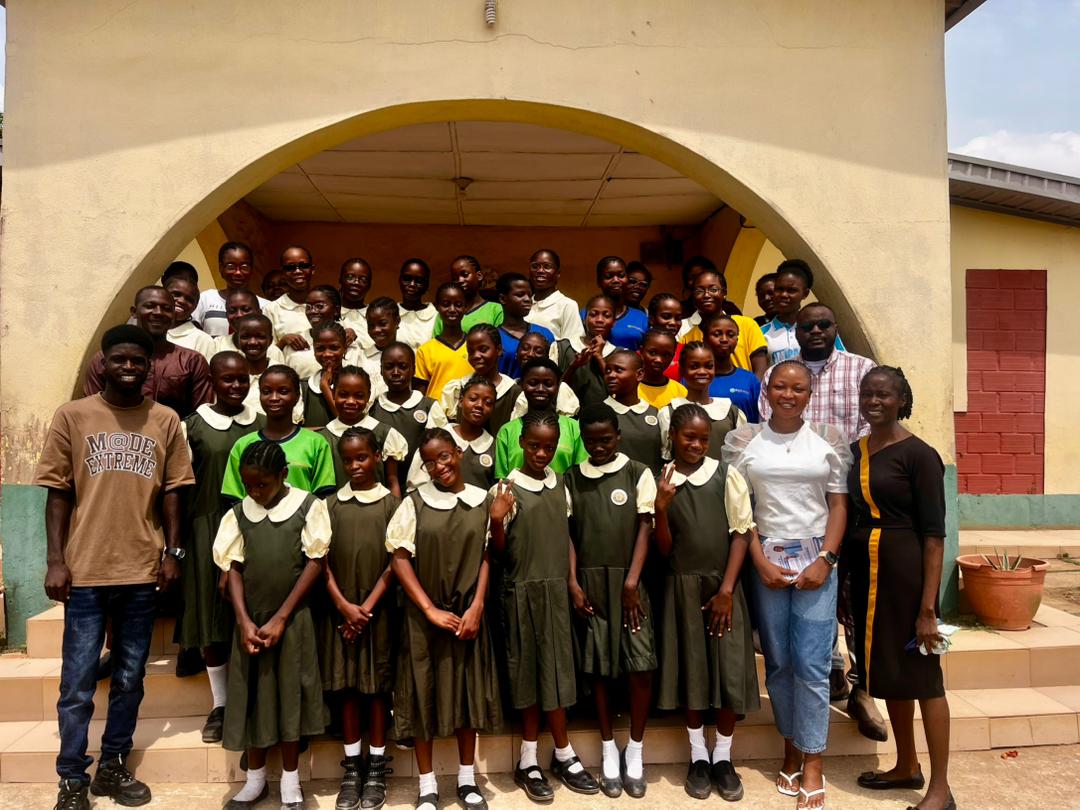
During the outreach, representatives of the college interacted with female students and introduced them to the diverse opportunities available within STEM disciplines. The sessions combined motivational engagement with practical career guidance and real-world illustrations of how science and technology are shaping industries across Africa and globally. Students were introduced to emerging and high-demand fields including Artificial Intelligence, Data Analytics, Cybersecurity, Business Analysis, and Digital Innovation.
Facilitators emphasized that STEM education is accessible to any student willing to develop the required skills and mindset. Complex technological concepts were simplified into relatable discussions aimed at replacing fear with curiosity and hesitation with confidence. The engagement sought to ensure that students viewed science and technology as achievable and relevant career pathways
The college highlighted that investing in STEM education for girls is both an equity issue and a strategic development priority. STEM-related careers remain among the fastest-growing and highest-paying sectors globally, offering pathways to financial independence and leadership in the modern workforce. Increased female participation in science and technology also strengthens innovation, as diverse perspectives enhance problem-solving and inclusive solutions to societal challenges.
The outreach further addressed the need to challenge limiting narratives that discourage girls from pursuing technical careers. Many students grow up without visible role models in scientific fields. By introducing STEM opportunities at an early stage, the initiative aimed to broaden students’ understanding of what is attainable and expand their long-term career aspirations. The college noted that Africa’s digital transformation agenda requires a strong pipeline of skilled professionals and that inclusive participation is critical to economic competitiveness and resilience.
Beyond inspiration, the outreach provided practical guidance to support informed decision-making. Students received direction on subject selection strategies at the secondary school level, pathways for pursuing technology-related courses in tertiary institutions, access to free online learning resources, and the importance of continuous self-development and digital literacy. STEM was presented not as an abstract academic pursuit but as a practical tool capable of addressing challenges in healthcare, agriculture, communication, and business operations.
The college reaffirmed its commitment to inclusive participation across its programs, encouraging students to envision themselves as engineers, data scientists, AI specialists, project managers, and innovators.
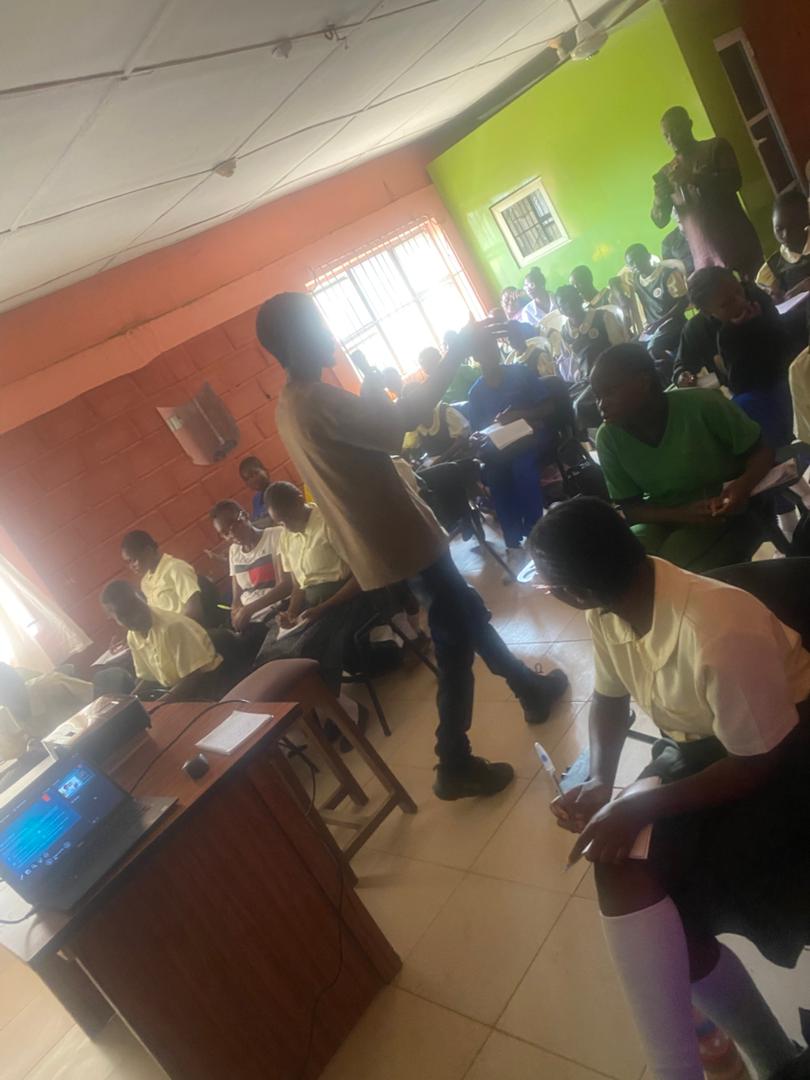
The outreach also addressed confidence as a critical factor in STEM participation. Societal stereotypes that frame science and technology as male-dominated fields were challenged through interactive discussions designed to dismantle misconceptions. Students were reminded that competence in STEM develops through exposure, practice, and persistence rather than gender-based traits.
As a tuition-free professional training institution focused on developing highly skilled professionals, Transformation College stated that sustainable impact begins before tertiary education. Early engagement ensures that students make informed academic and career decisions. The CSR initiative aligns with the institution’s broader objective of equipping African youths with globally relevant digital and business competencies, thereby strengthening the continent’s digital talent pipeline.
The college further underscored the importance of collaboration among schools, parents, policymakers, and private institutions to drive systemic change. Recommendations included improved access to science laboratories and digital tools, increased participation in coding clubs and innovation hubs, mentorship and internship opportunities, and reduced financial barriers to technical education.
The International Day of Women and Girls in Science serves as a reminder that while talent is universal, opportunity is not equally distributed. Through its outreach to Bethesda Secondary School, Transformation College reaffirmed the role institutions can play in closing that gap. The initiative reflects a broader commitment to empowering girls with the knowledge and skills required to participate fully in scientific and technological advancement, contributing to national development, economic stability, and inclusive innovation.