


President Bola Ahmed Tinubu has approved a one-year extension of the prohibition on exporting raw shea nuts, reinforcing the federal government’s commitment to expanding local processing and strengthening Nigeria’s agricultural value chain.
The announcement was made on Wednesday by presidential spokesperson Bayo Onanuga. According to the statement, the renewed restriction will run from February 26, 2026, to February 25, 2027, and is aligned with the administration’s Renewed Hope Agenda, which prioritizes industrialisation and value addition.
The initial six-month ban, introduced in August last year, was designed to curb unregulated exports, stimulate domestic processing, and reposition Nigeria’s shea industry for greater global competitiveness. Authorities projected that strengthening local processing could generate approximately $300 million annually in the short term, with ambitions of significantly higher returns by 2027.
Nigeria accounts for nearly 40 percent of global shea production but captures only about 1 percent of the estimated $6.5 billion global shea market. Vice President Kashim Shettima previously described the imbalance as unacceptable, stressing the need for coordinated economic reforms to maximize the country’s potential in the sector.
Despite the government’s optimism, critics argue that Nigeria currently lacks sufficient processing capacity to handle all locally produced shea nuts. They warn that the ban has limited farmers’ income, as many producers struggle to find buyers under the restriction. Some stakeholders contend that adequate processing infrastructure should have been established before enforcing the export ban.
To ensure effective implementation of the extended measure, President Tinubu has directed the Federal Ministry of Industry, Trade and Investment and the Presidential Food Security Coordination Unit (PFSCU) to develop a unified national framework for the shea value chain. The strategy will integrate industrial, trade, and investment policies using data-driven approaches.
The president has also endorsed an export framework developed by the Nigerian Commodity Exchange (NCX) and ordered the cancellation of previous waivers that permitted direct raw shea nut exports. Any surplus supply must now be exported strictly through the NCX platform and in accordance with approved regulations.
Additionally, the Federal Ministry of Finance has been instructed to provide access to a dedicated NESS Support Window. This funding mechanism will support a Livelihood Finance Programme aimed at boosting production capacity and expanding domestic processing.
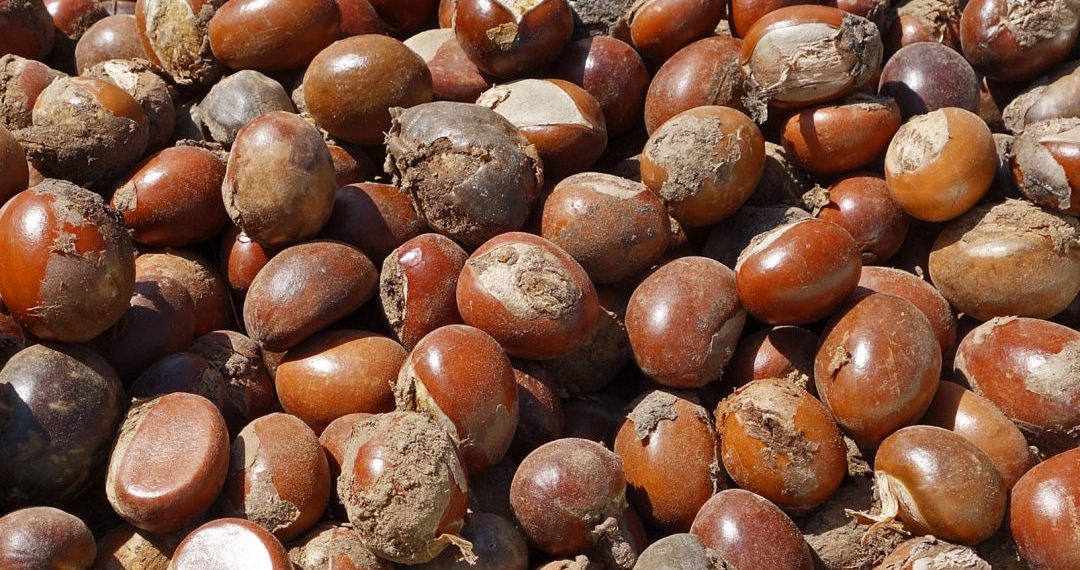
Shea nuts, harvested from trees common in Nigeria’s savanna regions, are processed into shea butter, widely used in cosmetics and edible oils. The government maintains that processed shea butter can command between 10 and 20 times the price of raw nuts, underscoring the economic logic behind the export restriction.
Officials say the policy reflects the administration’s broader objective of promoting local manufacturing, encouraging inclusive economic growth, and increasing Nigeria’s share of global agricultural value chains through enhanced domestic value addition.