


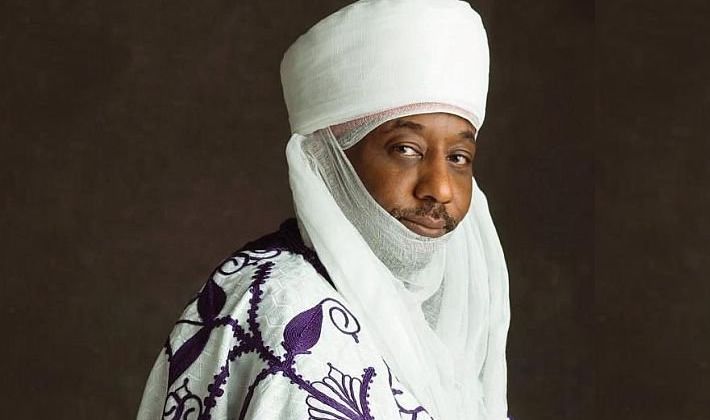
The Emir of Kano, Muhammadu Sanusi II, has raised concerns over Nigeria’s increasing debt profile, questioning why the Federal Government continues to borrow heavily even after removing the petrol subsidy.
In a recent interview, the former Central Bank Governor acknowledged that eliminating fuel subsidies and unifying the exchange rate were necessary economic reforms. However, he warned that poor timing and weak fiscal discipline could undermine their intended benefits.
Sanusi criticised the longstanding reliance on foreign refineries despite Nigeria being an oil-producing nation, describing it as a structural flaw. He noted that the shift toward domestic refining now positioning Nigeria as an exporter of petroleum products is a positive development for the economy.
Despite supporting the reforms, he expressed reservations about how they were implemented. According to him, introducing exchange rate liberalisation in an environment with loose monetary policies contributed significantly to the naira’s sharp depreciation.
He stressed that while subsidy removal was unavoidable especially in a situation where government revenue was largely consumed by debt servicing it should have been accompanied by tighter monetary controls to stabilise the currency.
Sanusi also questioned the logic behind continued borrowing, arguing that the funds saved from subsidy removal should have reduced the need for new loans. He called for visible fiscal consolidation, insisting that eliminating waste without reducing borrowing defeats the purpose of reform.
His remarks come amid reports that the administration of President Bola Tinubu has increased its 2026 borrowing target by ₦11.31 trillion, bringing the total to ₦29.20 trillion. The President has also requested Senate approval for an additional $516 million loan to finance the Sokoto-Badagry Superhighway project.