

 has quietly initiated a significant investigation into several high-ranking judges, including heads of ,)
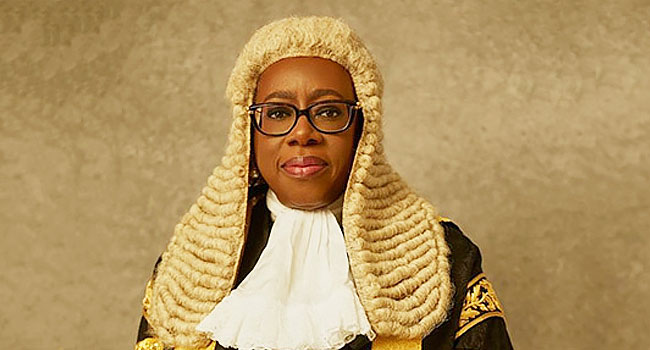
The National Judicial Council (NJC) has quietly initiated a significant investigation into several high-ranking judges, including heads of courts, amidst growing concerns over allegations of misconduct. The NJC, which is responsible for overseeing judicial appointments, promotions, and discipline in Nigeria, is handling the investigation with utmost confidentiality.
Led by Chief Justice of Nigeria (CJN), Kudirat Kekere-Ekun, the NJC’s 24-member council derives its mandate from Paragraph 20 of the Third Schedule, Part One, of the 1999 Constitution of Nigeria (as amended). Sources indicate that the ongoing probe was prompted by a series of serious and troubling petitions filed against some top judicial officers.
The allegations against one senior judge are reportedly so severe that CJN Kekere-Ekun has ordered an immediate and thorough investigation to identify any wrongdoers and restore integrity to the judiciary. “The NJC has received multiple petitions and complaints, including allegations of misconduct, forgery, age falsification, and false asset declarations,” a source close to the investigation revealed. “These claims are deeply alarming, and the CJN is determined to act swiftly to prevent further erosion of public trust in the judiciary.”
Despite the gravity of the situation, the identities of the judges involved and the individuals behind the petitions remain undisclosed, as the matter is being kept under wraps. Both the CJN’s media assistant, Tobi Soniyi, and the NJC’s Deputy Director of Information, Kemi Babalola-Ogedengbe, have declined to comment, citing a lack of information on the ongoing inquiry.
Justice Kekere-Ekun, who took office as acting CJN in August 2024, has made judicial reforms and transparency a priority. In September 2025, during the opening of the 2025/2026 legal year, she promised sweeping reforms to restore public confidence in the judiciary. Her efforts have been focused on improving accountability and efficiency in the Nigerian justice system, though it remains unclear how far those reforms have progressed.
Since her appointment, the NJC has taken decisive action, including the compulsory retirement of two judges and the suspension of others for misconduct. In November 2024, the NJC sanctioned several judicial officers, announcing the compulsory retirement of two judges, a two-year suspension for two others, and a formal warning for another. In June 2025, ten judges were compulsorily retired, and five others were cautioned, while a judge of the National Industrial Court was barred from promotion for three years.
As the investigation continues, the NJC remains under intense scrutiny, with the public eagerly awaiting outcomes that could shape the future of Nigeria’s judicial system.